What shouldn't be flushed into my septic?
Flushing non-biodegradable items harms your septic system and can cause clogs or failures. Avoid wipes (even "flushable" ones), diapers, feminine hygiene products, cleaning supplies, Q-tips, condoms, cigarette butts, or any garbage. Your septic tank is designed for human waste and toilet paper only — nothing else.
Can I flush cooking grease or oil?
Never pour grease, fats, or cooking oils down the drain. They solidify in pipes and the tank, leading to blockages, backups, and expensive repairs. Scrape plates into the trash or compost instead.
Since Covid, we wash our hands frequently with copious amounts of soap that kills 99.9% of all bacteria. Can that harm a septic?
Excessive antibacterial soaps and harsh chemicals can kill the beneficial bacteria your septic system needs to break down waste. Avoid overuse of antibacterial products, plus paint, solvents, pesticides, caustic drain cleaners, and high chlorine levels. Stick to regular, non-antibacterial soap when possible.
How does water consumption affect my septic?
High water use can overload the system, reducing treatment time and risking backups. Spread out laundry loads, fix leaks, avoid running faucets unnecessarily, and conserve water overall — every gallon down the drain must be processed by your septic.
Take care of your leach field!
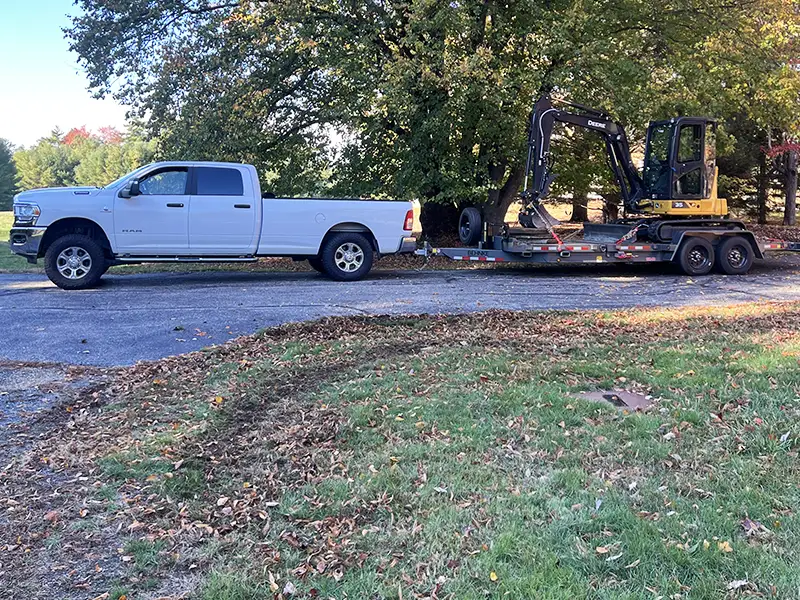
Protect your leach (drain) field: Never drive vehicles, park, or operate heavy equipment over it — the weight can crush pipes. Avoid planting trees, shrubs, or deep-rooted plants nearby (roots invade pipes and cause clogs). Grass is ideal; keep other vegetation mowed short.
Is it okay to add commercial additives to a septic system?
We don't recommend septic additives or treatments. The natural bacteria in a healthy system handle breakdown effectively, and many products are unnecessary or can disrupt balance and cause harm. Regular pumping and good habits are far more reliable.
How often should I pump my septic tank?
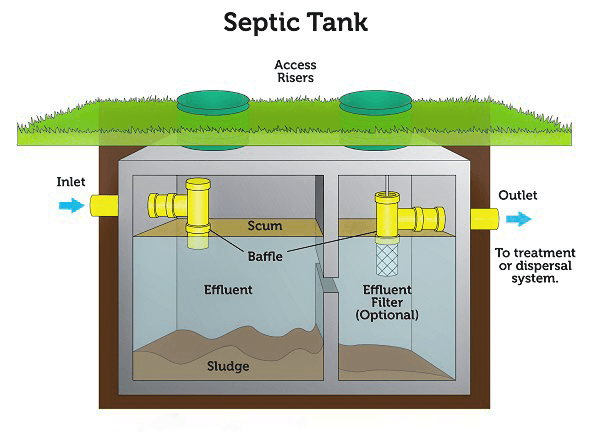
Most systems need pumping every 3–5 years, depending on tank size, household occupants, and usage. Contact us for a personalized schedule — regular pumping prevents 90% of major failures.
What are signs my septic system needs attention?
Watch for slow drains, gurgling toilets, sewage odors near the tank or drain field, lush/wet grass over the leach field, or backups in the house. If you notice any of these, call us right away — early action saves big on repairs.
What should I do if I suspect a problem?
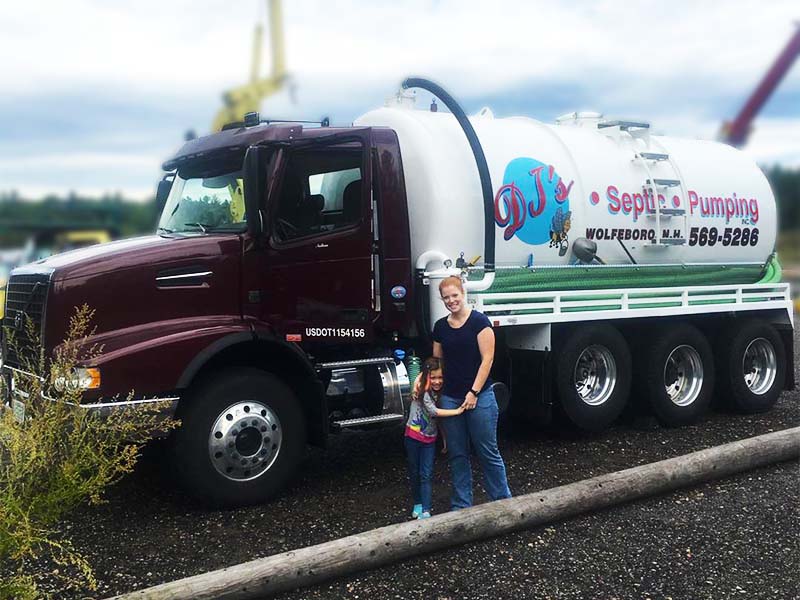
Stop using water immediately to avoid overflow, then call a professional like DJ's Septic. DIY fixes often make things worse — our team handles diagnostics, pumping, and repairs safely and efficiently.